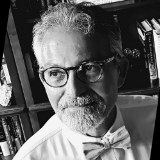
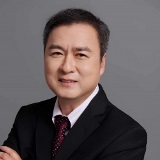
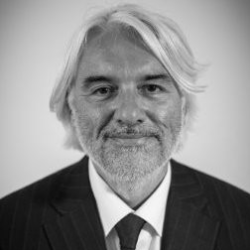
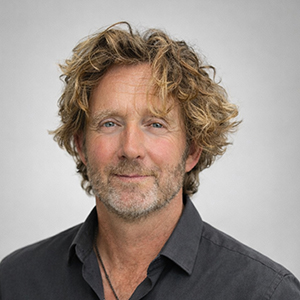
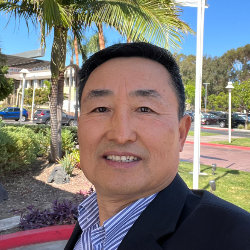
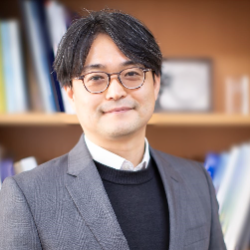
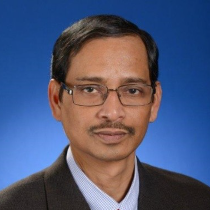
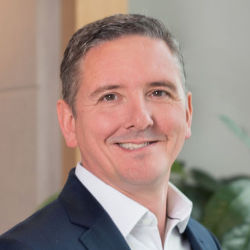
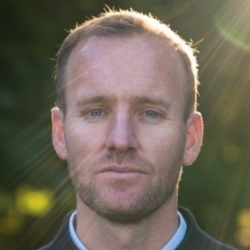
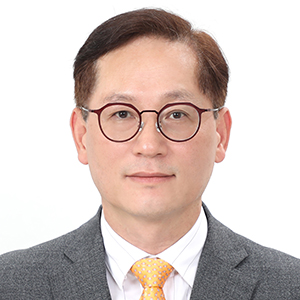
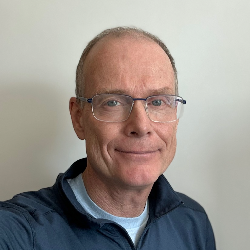
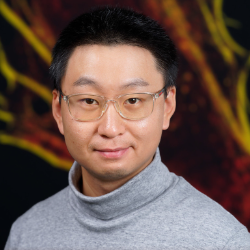
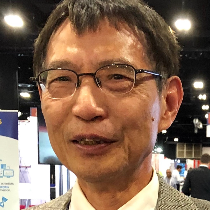
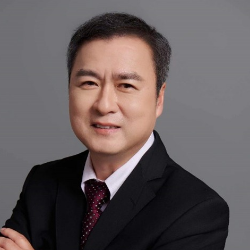
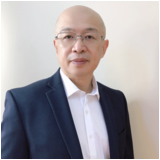
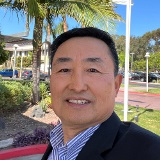
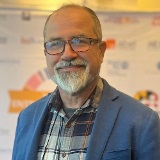
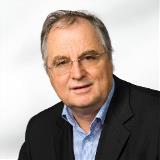
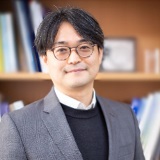
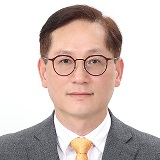
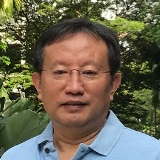
Dr. Duk Jae Oh obtained his BA degree in Chemical Engineering in 1986 from Seoul National University, then received an MS and a PhD in Chem. Eng. from KAIST in 1988 and 1992, respectively. His major research field was development of bioreactors for animal cell cultures. He spent one and a half years on his postdoctoral fellowship, until 1993, at the Univ. of Michigan (Ann Arbor). He participated in the research projects for development of ‘Cell Expansion System for Bone Marrow Cells’, collaborating with Aastrom Biosciences Inc. After he came back to Korea, he joined CJ Corp. as a research scientist for bioprocess development, particularly, purification of functional sugars and microbial pharmaceuticals such as fructo-oligo sugars, lovastatin, and cyclosporine A. In 1997, he moved to the US and joined Prof. Bernhard Palsson’s group at UCSD as a project scientist, participating in projects for ‘ablation of cells by laser’ and ‘developing fluorescence labeling techniques for visualizing inter-cellular interaction’ until 2000. He then joined a US gene therapy company, Cell Genesys in Bay Area (Foster City, CA), developing bioprocesses for production of viral vectors such as adenovirus, AAV (adeno-associated virus), and lentivirus. Dr. Oh is currently a professor of Dept. of Integrative Bioscience and Biotechnology at Sejong University, Seoul, Korea, since 2001. He served as a president for the KSBB, the Korea Society for Biotechnology and Bioengineering, which is the biggest academic biotechnology society in Korea. He is participating in the ISO/TC276 “Biotechnology” as a representative expert from Korea, particularly in the “Bioprocessing” committee for global standardization of biotechnology. He is also an active member of an international academic organization, AFOB (Asian Federation of Biotechnology) since 2010, and currently acts as a secretary general until this year (2026). His research areas are based upon the animal cell technology, including bioreactor development, development of cell culture processes for therapeutic protein production (antibodies, cytokines, hormones, etc.), development of chemically defined culture media for CHO and HEK293, development of DMSO-free/serum-free chemically-defined cryopreservation media, and gene delivery technology using viral/non-viral system. Among those, process development for perfusion cultures has been his main interest since the mid-1980s with about 15 peer-reviewed publications on perfusion culture technology.















-jpg_7062cc5a-307e-4b86-9575-d818557eccd9_1e263acc-1567-471c-8cba-b7538f531664.tmb-0.jpg)














































.tmb-0.jpg)























































.tmb-0.jpg)