ショートコース
ショートコースでは、指導的かつインタラクティブに、特定のトピックに関する詳細な情報を提供します。参加者と講師が1対1でやり取りできるため、メインのプレゼンテーションでは取り上げられないような、技術的な側面についての説明が容易になります。
ショートコースは、対面のみで提供
Sunday, May 10, 2026 2:00 - 5:00 pm
SC1: In silico and Machine Learning Tools for Antibody Design and Developability Predictions
Topics to be covered include:
- Overview of sequence, structure-guided, ML (machine learning) tools for developability and designs
- Overview and demo of various ML tools from Oxford Protein Informatics Group (OPIG)
- Antibody specific language models (Ablang - Olsen et al 2022, Ablang2 - Olsen et al 2024)
- Antibody (and nanobody) structure prediction (ABodyBuilder2) Abanades et al 2023)
- Therapeutic antibody profiling and developability evaluation (TAP - Raybould et al 2019, TAP2 - Raybould et al 2024)
- Antibody sequence optimization with inverse folding (AntiFold - Hummer et al 2023)
- In silico developability assessment: case studies
INSTRUCTOR BIOGRAPHIES:
 Vinodh B. Kurella, PhD, Research Scientific Associate Director, Global Biologics, Takeda Pharmaceuticals, Inc.
 Tanmoy Sanyal, PhD, Principal Data Scientist, Large Molecule Discovery Group, Amgen
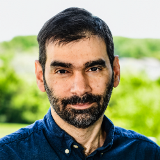 Valentin Stanev, PhD, Associate Principal Data Scientist, AstraZeneca
 Ben Williams, PhD, Research Software Engineer, Department of Statistics, University of Oxford
SC2: AI-Driven Predictive Preclinical Models: Rethinking the Role of Animal Testing
Topics to be covered include:
- Regulatory Context & NAM Alignment
- Overview of FDA/EMA adoption of New Approach Methodologies (NAMs) in IND-enabling studies
- AI-Integrated Toxicology Platforms
- in silico Immunogenicity & Safety Modeling
- Digital Twin & Virtual Human Systems
- Reduction of Animal Testing
- Multi-Omics & Systems Biology Integration
- Future Landscape
Agenda:
INSTRUCTOR BIOGRAPHIES:
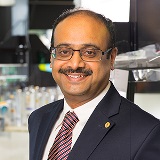 Sathy Balu-Iyer, PhD, Professor, Pharmaceutical Sciences, SUNY Buffalo
 Panagiota (Pegy) Foteinou, PhD, Senior Director, Preclinical and Early Development, Bristol Myers Squibb
 Jochem Gokemeijer, PhD, Distinguished Scientist Biologics, Biologics Discovery, Johnson & Johnson
 Timothy Hickling, PhD, Consultant, Quasor Ltd.
 Vibha Jawa, PhD, Chief Scientific Officer, Epivax Inc.
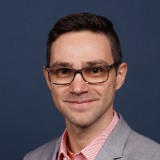 Guilhem Richard, PhD, CTO, EpiVax Inc.
SC3: Challenges and Opportunities in Solid Tumor and Autoimmune Disease Therapeutics
- Identify and develop next-generation immunotherapies for solid tumors and autoimmune diseases
- Analyze the solid tumor microenvironment, discussing successful therapies such as T cell engagers, blocking bispecific antibodies, ADCs, CAR-Ts, Radioligand therapy, and Targeted Protein degraders
- Examines autoimmune disease biology and therapeutic development, integrating approaches like immune target blockade and autoantigen tolerizing.
- Highlights the application of machine learning and generative AI in discovering novel therapeutic targets and expediting therapeutic development.
- Addresses the challenges and provides case examples of cutting-edge therapeutic approaches in both cancer and autoimmune diseases
INSTRUCTOR BIOGRAPHIES:
 Tony R. Arulanandam, DVM, PhD, CEO and Founder, Synaptimmune Therapeutics
SC4: Unlocking Immunity: Mastering Epitope Analysis and Prediction with IEDB and CEDAR Tools & Insights
Topics to be covered:
- Overview of the IEDB and CEDAR database structure, content, and how to search for epitope-related data
- Introduction to the classic Analysis Resource: tools for epitope analysis and prediction
- Walkthrough of the Next-Generation Tools to create prediction pipelines for advanced scientific research
- Live demonstrations showing how to apply all IEDB resources to real-life scientific problems, including predicting cancer epitopes and de-immunizing protein antigens
- Practical guidance on integrating IEDB resources into your own research projects and experimental design
Benefits of attending:
- Gain a comprehensive understanding of how to navigate and extract data from the IEDB and CEDAR database
- Learn to use both classic and next-generation epitope prediction tools to enhance your research capabilities, including predicting cancer epitopes and de-immunizing protein antigens
- See real-world examples of how IEDB tools can be applied to address complex immunological research questions
- Develop the skills to build and customize epitope prediction pipelines for your specific research needs
- Leave with practical knowledge and confidence to incorporate IEDB resources into experimental planning and data analysis
INSTRUCTOR BIOGRAPHIES:
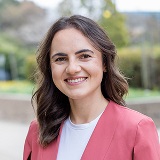 Nina Blazeska, Senior Project Manager, IEDB and CEDAR Resources, La Jolla Institute for Immunology
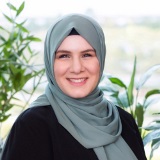 Zeynep Kosaloglu-Yalcin, PhD, Instructor, La Jolla Institute for Immunology
SC5: Safety & Efficacy of Bispecifics and ADCs
Bispecific immunotherapies and ADCs are two of the most rapidly advancing therapeutics in the fight against cancer. However, efficacy and safety challenges limit their therapeutic effectiveness in resistant and refractory cancers. The short course will discuss the five rights of the targets, effector arms, and constructs for achieving the optimal therapeutic index for bispecifics and ADCs. Special focus will be on attaining the best efficacy with minimal toxicities.The short course will discuss:
- Bispecific and ADC landscape assessment and unmet medical needs
- Efficacy and safety challenges originating from poorly constructed ADCs
- Five rights of the targets, effector arms, and constructs for attaining the best therapeutic index for bispecifics and ADCs
- Minimizing toxicities of bispecifics and ADCs
- Translational aspects of bispecific and ADC development
INSTRUCTOR BIOGRAPHIES:
 Rakesh Dixit, PhD, DABT, CEO & President, Bionavigen Oncology, LLC; CSO, TMAB Therapeutics, Regio Biosciences
Tuesday, May 12, 2026 6:30 - 9:00 pm
SC6: Developability of Bispecific Antibodies
Topics to be covered:
- Introduction to bispecifics and bispecific formats
- Therapeutic applications of bispecific antibodies
- Developability of bispecifics
- Case study: discovery and development of an FDA-approved bispecific antibody
INSTRUCTOR BIOGRAPHIES:
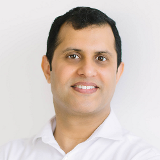 Nimish Gera, PhD, Independent Consultant
SC7: Targeting the Target: Aligning Target and Biologic Format Biology to Achieve Desired Outcomes
Topics to be covered:
- Introduction to the “components of success paradigm”
- Underlying concepts and examples of one target and multiple functions/outcomes
- How emerging technologies are and could impact:
- Understanding target biology, lead selection, and discovery/development paradigms
- Case studies: (i) evaluating functional impact of different mAbs to the same target (target/mAb biology): (ii) designing biologic molecules to develop functional assays to assess novel/emerging target biology and potentially develop novel therapeutics
INSTRUCTOR BIOGRAPHIES:
 Tariq Ghayur, PhD, Tariq Ghayur Consulting, LLC; Entrepreneur in Residence, FairJourney Biologics
SC8: The Dark Proteome: Unlocking Novel Targets for Next-Generation Biologics
The next generation of biologics depends on our ability to access the vast, largely unexplored "dark proteome"-comprising over 250,000 potential novel proteins encoded by the 98% of the human genome once dismissed as "junk".
This short course provides protein engineers and therapeutic developers with a comprehensive framework for understanding, identifying, and exploiting these hidden targets through the integration of AI-driven discovery, advanced proteogenomics, and rational design strategies. With traditional protein-coding genes becoming increasingly crowded and drug discovery facing unprecedented challenges, the dark proteome represents an opportunity for first-in-class therapeutics. This course will equip participants with both the conceptual understanding and practical tools to navigate this emerging frontier, with special emphasis on "dark antigens"-cryptic, noncanonical, and post-translationally modified epitopes that enable novel binding interfaces and expanded therapeutic specificity.
INSTRUCTOR BIOGRAPHIES:
 Sudhakaran Prabakaran, Co-Founder & CEO, NonExomics
SC9: Automation in Action: Hands-on, Liquid Handling for Protein & Antibody Engineering
Participants will:
- Discover automated liquid handling tools, techniques, and best practices
- Engage in an interactive demonstration of an automated liquid handler.
Who should attend:
Students and researchers who want to learn the basics of automation systems. Researchers who are interested in setting up their own laboratory automation systems and workflows. Computational scientists who are interested in exploring how large data sets are collected for in silico protein/antibody modeling.
Optional Off-site Hands-on Practicum
Friday, May 15
1:30 - 4:30 pm
Registered participants of the short course may deepen their experience through further training at the nearby IPI (Harvard Medical School campus). This course involves working in teams with robots to implement the assay learned and optimize liquid handling parameters, a key skill for real world application. Particpants will then tour IPI, observing the operation of more sophisticated liquid-handling systems.
(Prerequisite: Automation in Action: Hands-on, Liquid Handling for Protein & Antibody Engineering Short Course Attendance)
Participants will:
- Gain hands-on experience setting up a liquid handling robot.
- Explore how to apply automation to their own research workflows.
- Tour IPI’s automation facilities and observe live demonstrations of integrated robotic systems.
Registered short course participants are welcome to attend the Friday practicum at the Institute of Protein Innovation. However, space for the practicum is limited to 8 participants and will be offered on a first-come, first-served basis through a separate RSVP.
- Registered practicum participants will be transported from the Omni Boston to IPI.
- Engage in an interactive demonstration of an automated liquid handler.
INSTRUCTOR BIOGRAPHIES:
 Curtis Walton, PhD, Director of Automation and Process Optimization, Institute for Protein Innovation
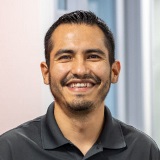 Eloy Salinas, Senior Lab Automation Engineer, Institute for Protein Innovation
SC10: Best Practices and Advanced Applications for Label-Free Interaction Analysis in Therapeutic Antibody Discovery
Topics covered will include:
BINDING KINETICS:
- Optimizing experimental setup including the influence of reagent quality, assay orientation, immobilization method, and surface capacity
- Corroborating surface-based measurements with solution ones
EPITOPE BINNING:
- Assay formats
- Bin definition
- Throughput Nuanced binning (antigen heterogeneity, asymmetry, and displacement)
INSTRUCTOR BIOGRAPHIES:
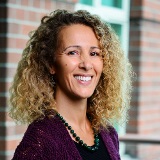 Yasmina Abdiche, PhD, Senior Vice President, Exploratory Research, OmniAb Inc.
* 不測の事態により、事前の予告なしにプログラムが変更される場合があります。
オンデマンドパスは引き続きお申込み頂けます。
下記ボタンよりご連絡下さい。


アジェンダ・講演者・スポンサー更新
アジェンダ・講演者・スポンサー更新
アジェンダ更新
アジェンダ・講演者・スポンサー更新
アジェンダ・講演者・スポンサー更新
アジェンダ・講演者・スポンサー更新
アジェンダ・講演者・スポンサー更新
講演者更新
アジェンダ・講演者・スポンサー更新
スポンサー更新
イベント情報更新
2026年 プログラム
表示する:

工学ストリーム

腫瘍ストリーム

多重特異性ストリーム

免疫療法ストリーム

発現ストリーム

分析法ストリーム

免疫原性ストリーム

新興治療ストリーム

機械学習ストリーム